Showing posts with label Personal Growth. Show all posts

Saturday, March 8, 2014

Reuse Your Stuff and Revamp Your Mindset

Can’t bring yourself to toss that ultra-soft, threadbare T-shirt you’ve had since the early 80s? Does your throat catch when it comes time to check out at the grocery store and you’ve forgotten your cloth bags? Do you feel a sense of dread that teeters on compulsion when faced with having to buy retail? Then just relax, because you’re in some pretty awesome company with Alex Eaves. The mastermind behind Stay Vocal’s principle has been inspiring people to reuse and regenerate since he was a kid; if he could influence folks to pay attention at that age, it’s no wonder how he’s become a go-to guy for the growing reclaim movement, collecting awards and accolades along the way.
"Every day, I live and breathe reuse. It's how I dress: from vintage USA made Chuck Taylors to used jeans to the shirts that I sell. It's how I cut my hair: I donate it to charities who reuse it, like Matter of Trust. It's how I shop: I never leave home without my reusable bag and mug (which is good, because I drink A LOT of coffee)."
Alex’s long-time obsession with sports, music, skateboards and T-shirts created an amalgam of reuse potential that eventually spawned the popular Green America certified ReUse apparel company known as Stay Vocal, whose mission has recently spread to redirecting young minds toward embracing this philosophy. His soon-to-be kids workshop will seek to change how children think about product regeneration (not so much toward recycling since that’s still the act of throwing things away). The “Reuse Pro” will drive home his message by having his young audience craft reusables like toilet paper tubes into animals, puppets, presents, etc. they can easily make with or without their parents.

Homeless dogs have also firmly planted themselves on Alex’s radar as he incorporates animal adoption in his mission to reach and teach about giving products and pets a second chance.  I guess you can say Alex is somewhat of a magician the way he breathes new life into what others throw away. But he’ll be the first to tell you that what he does has nothing to do with illusion and everything to do with awareness. Some immediate campaigns Alex is undertaking include encouraging Dunkin’ Donuts to offer discounts to patrons who bring their own reusable cups to reduce ever-increasing environmental damage from polystyrene foam cups; and marketing his “Water Saver” T-shirts as a way to offset the 400 gallons of water it takes to grow the amount of cotton used for a single new T-shirt.

All this only scratches the surface of Alex’s penchant for pioneering the reuse concept until it becomes commonplace rather than innovative. See what else he has up his reproduced sleeve on Stay Vocal’s Facebook page (where there’s a 10% off purchase coupon waiting for you), Alex’s Facebook page (where you can see him make more amusing faces) and Twitter.

Tuesday, January 21, 2014

Not Your Grandma's Rummage Sale

There's no rapture quite like unearthing a barely broken-in pair of Sorel hiking boots for $30 (and yes, they're also the right size, so no need to stuff socks in the toes). And the bliss that comes with locating a favorite pair of Rider's comfort fit jeans the company no longer makes is beyond compare; you smile with suppressed giddiness as they swing happily on the hanger, while your eyes are drawn to the dangling tag that reads "$5."

"Nearly New" to "Well-Worn"
The "gently used" quality of vintage and secondhand clothes punctuates the value of thrift shopping: while there is always the potential to come home empty-handed, that mad anticipation of what prized possessions may await makes the hunt as thrilling as the find. Sure, there's a big difference between junk stores and potential treasure troves, but don't be too quick to write off the smaller, independent shops just because they don't have as much eye appeal; since many people avoid these little gems in favor of more popular names, the inventory is not nearly as picked over.

Unleash Your Inner Philanthropist
Scoring some of your best threads is only one benefit of shopping thrift stores, because the money you spend supports many different charitable organizations from animals and abuse victims to feeding the hungry and housing the homeless. Some non-profit groups rely solely upon selling donated goods as the financial lifeline that keeps them operating, so remember to ask for a tax receipt when you contribute to your local resale shop
.


Teach Your Children Well
We all strive to impart our kids with a sense of social responsibility, yet they're constantly bombarded with conflicting outside influences that can counteract our efforts. Introducing them to the world of recycled apparel not only gives the opportunity to budget without compromise, but it also broadens their worldview. Supporting thrift and secondhand shops with consumer dollar power is a surefire way to spark community spirit while giving a good turn to local groups doing good. And who knows -- teens may even want to volunteer their time behind the counter after finding out they get benefits like a great discount and first dibs on incoming merchandise. :)

Find a shop near you with the National Thrift Store Directory, and arm yourself with 12 how-to tips to make your shopping excursion more successful.

Monday, December 16, 2013

When's the Right Time to Get Another?

Few life events are more painful than losing a pet. Companion animals bring so much fun and joy to our lives that no matter when they pass on, it's always too early. Some people cannot endure the emotional void left by a departed pet and immediately adopt another, but others have a difficult time processing the grief; the idea of experiencing such intense feelings again, along with other concerns, may keep them from investing their emotions in another.

Part of the Solution
Setting aside emotional pain for the greater good is a challenge many people face when deciding whether to get another pet. It's almost impossible to avoid the mass media marketing campaigns showcasing all the homeless animals waiting for adoptive families. Reducing this excessive population by just one may not make a big difference in a statistical sense, but it absolutely will make one to the life you save and help you deal with the pain by focusing your energy on the well-being of another companion.


Learning to Rebound
If your kids are reeling from the loss just as much as you are, this may be a perfect time to teach them how to process their emotions in a positive way. Let everyone mourn the animal's absence. Encourage talk about happy times together. Help them understand that getting another companion is not meant to replace their beloved family member. All this can take time to achieve, because each person deals with grief in his or her own way. Once the whole family is comfortable with the idea, have a group discussion to decide when to bring in a new pet.

Cost
The expense of having a companion animal can be quite high with an unexpected illness or accident. While pet insurance may be a good safeguard against some health issues, Consumer Reports says it generally costs more than it pays. The death of a pet can cause significant financial strain when vet care is required, which makes it difficult to ignore the reality of getting another pet right away. You may just need some time before you're ready to take on the costs of another pet.

Grieving of Other Family Pets
Companion animals who have established strong bonds with other family pets can express grief over the loss of those buddies. While the extra attention you give during this time helps a heartbroken animal feel more comforted, he still may display mournful behavior as lethargy, loss of appetite and whining. He may even search the house and yard for days after his friend is gone. While you may not be ready to add another companion animal to the family, doing so can help ease the pain of those fur kids who are also bereaved.

Originally written for and published by eHow

Monday, November 18, 2013

Whose Life is Worth More?

If given a split second to decide which people are rescued from a 2-car collision where an explosion is imminent, it's likely you'll grab those nearest your reach. But what if one vehicle is shuttling a global leader, popular celebrity or wealthy businessman, while the other holds several college freshmen? Would you grapple with your conscience about whether one life holds more value from a "greater good" standpoint?

Are You Better Than Me?
Utility requires society to act on the benefit of the majority; while siding with the greater good is not necessarily best for all, it is alleged to be the most equitable under general circumstances. 
Utilitarians will argue against the claim their social philosophy is merely totalitarianism in disguise, being there is simply no way to satisfy 100% of any group. By appeasing the majority, more people are served at the minority's expense, an unfortunate situation that often leaves the same individuals to adapt to –- or be detrimentally impacted by -- the greater good.

The main tenet of utility, according to 
Brue et al, is rational self-interest rather than selfishness, because "increasing one's own wage, rent, interest, or profit normally requires identifying and satisfying somebody else's wants," such as when parents pay their children's college tuition. Another way to understand this is by examining the meaning of altruism, which by today's standards has transformed into a philanthropic definition from its origin of perpetuating the species. This biological reality is easily demonstrated by how a bee stings an intruder, ultimately forfeiting its own life to protect the queen and hive.


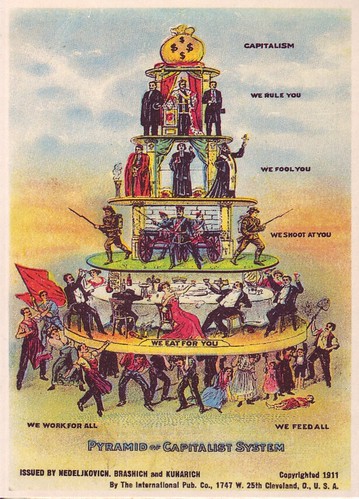
Because society is fundamentally based upon performance and profit, it's not difficult to perceive utility as an opposing force to our altruistic nature. So many contemporary societies still endure incredible poverty, disease and homelessness despite global resources fully capable of feeding, clothing, educating, housing and medicating the suffering masses.

That Pesky Moral Compass
Warren Quinn, author of "Actions, Intentions, and Consequences: The Doctrine of Doing and Allowing," notes how the cloud of dispute swirling around this sociopolitical disgrace can quickly spin out of control when emotions override the greater good. Ask yourself what you'd do if you were in the following hypothetical scenario.

Engineer Bill is faced with the most difficult decision of his life: does he avert the runaway trolley to save little Sarah who is caught on the tracks at the expense of 100 passengers headed for certain death if he switches tracks
? Or does he spare those hundred people in exchange for one little girl's life? Utility compels Engineer Bill to save the passengers by forfeiting Sarah, yet this does not relieve him from struggling with his battered moral compass. Harming someone is inevitable in this situation, but the question is whether making the least damaging choice is always the best decision.

Clearly, the vast opposition between utilitarianism and ordinary morality creates a disturbing issue within Engineer Bill that forces him choose between the value of different lives. But as Wendler duly points out, "our attitudes in this regard are based on a rational cost/benefit analysis. To that extent, these attitudes do not provide an ethical argument" for exposing some people to certain risks for the benefit of others. Nemo Taylor provides a lasting reminder when faced with the choice between social mandate and ordinary morality: "Don't do the right thing out of some bland sense of duty or obligation. Do it because you recognize it's the only way to truly be happy and content with your own life."


Bird photo by Greg Kowalczewski
Pyramid graphic by Gilbert Alter-Gilbert

Tuesday, October 1, 2013

Clicking the "Unfriend" Button in Real Life

If you're familiar with the phrase "emotional vampires," you likely strive to keep these people at arm's length; surrounding yourself with those who suck the life force out of you is the quickest way to catch the "disease." As we saw in a previous post (Are You Eeyore or Pooh?), there's absolutely no effort needed to be a Debbie Downer, but we nearly kill ourselves tripping over mental road signs that remind us to emit only positive vibes. So what possible benefit is there in willingly sucking the discharge from other people's emotional exhaust pipe?

Relationships are fluid; many of the people who cross your path are not meant to stay there. There's no unspoken rule that says you must accommodate every acquaintance, friend, spouse or business associate for the rest of your life, yet so many of us feel a gnawing obligation to put up with ill-fitting relationships for fear of being less than a good friend/business partner/family member. Instead your integrity suffers when you fail to be a friend to yourself first.

And yes, you are absolutely allowed to emotionally emancipate yourself from parents, siblings, aunts, uncles or anyone else in your clan who drags you through the gutter. Why should they receive special treatment simply because you share a genetic disposition? In fact, sometimes that's actually the best reason *to* break away.


It matters not if they're family, friends or coworkers; if you're a magnet for drama queens, boors, martyrs, attention seekers, criticizers and hypochondriacs, it's time to make some changes. But how do you expunge someone from your life without feelings getting hurt in the process? Well, you can't. But you can take steps that help the individual save face and you escape guilt. Therese Borchard's You Deplete Me: 10 Steps to End a Toxic Relationship is a snappy, somewhat snarky but completely engaging summation of who, what, when, why and how to purge an unhealthy relationship.

Sunday, July 21, 2013

Improving Workplace Productivity With Physical Fitness

Coffee and energy drinks may help get the brain cells firing, but they're mostly a quick, temporary fix. Staying mentally sharp in the work-place is an ongoing challenge for many who reach for these artificial stimulants; however, employees can gain greater clarity by engaging body and mind. Implementing a regular physical fitness routine -- even for as little as 15 minutes each day -- can create a synergistic payoff for the fuzzy-brained worker.

Body-Mind Connection
Whether you're a long-distance trekker who regularly experiences runner's high or someone whose elevated mental outlook comes from boogying to the radio, you're following the same path toward greater productivity in the workplace. Job output reflects variables that, when out of balance, get in the way of giving your all. Myriad studies have illustrated the clear connection between exercise and better mood, a more tolerant attitude and higher collaborative tendencies, all of which play an integral role in your personal productivity.

Timing Is Everything
Reducing stress and improving productivity are as easy as stepping out of the office for an early afternoon bike ride or spending 30 minutes of your lunch hour limbering and toning in yoga class. Using noontime to engage in physical activity is not just a pleasurable experience but also one that handsomely rewards you. Forbes notes how midday exercise is especially invigorating when thought processes slip into low gear; breaking up the workday with a simple yet steady exercise program spikes energy and productivity throughout the afternoon.

Strength in Numbers
The idea of low to moderate exercise during the workday may really appeal to you, but lack of motivation might threaten to zap your enthusiasm. Since some of your co-workers likely feel the same way, the solution is to gather a group with similar objectives and unapologetically use one another for inspiration. Peer pressure alone, according to the Brookings Institution, is enough to drive you toward your goals.

Physiology Behind Productivity
Brain boost occurs at a cellular level where mitochondria -- known as the "power plant" component -- create the energy chemical called ATP. Mitochondria reproduce when you exercise, which in turn generates additional ATP, a domino effect that not only enables you to physically maintain your workout routine but also heightens mental capacity and productivity.

Originally written for and published by Demand Media
Photo credit: David Woolley/Digital Vision/Getty Images

Saturday, June 29, 2013

The Importance of Workplace Hierarchy

The need for organiza-tion, unity and consis-tency is paramount to any business or industry to stave off chaos; when a chain of command is not maintained within the structural unit of authority, stability is challenged as subordinates assume decision-making roles. While the idiom "too many cooks spoil the broth" speaks to the need for defined roles and responsibilities along the entire chain, there is still room for a more collaborative approach beyond the rigidity of traditional hierarchy.

Empowerment
Traditional management and leadership practices have evolved considerably to incorporate a more collaborative dynamic that not only favors hierarchical strength but also bolsters workforce productivity. The chain of command doesn't have to be rigid to be successful; a strong and empowering hierarchy positively pushes the comfort zone by keeping the labor pool learning, inspired, and communicating.

Checks and Balances
The system of checks and balances perpetuated by a well-functioning workplace hierarchy helps to eliminate problems that otherwise might develop when individuals address situations meant for management. For example, a subordinate who makes a decision without first consulting his superior may create a negative outcome if he doesn't have all the pertinent information to make that call.

Ineffective Hierarchy
A company's health index starts at the helm and works downward to include what many organizations consider the inconsequential bottom workforce layer. As such, it's difficult for employees to respect corporate hierarchy when those in charge fail to recognize and acknowledge weak links in the upper echelon. Management is not exempt from accountability any more than those lower on the command chain; leaders who rely on subordinates to absorb the consequences of their ill-advised decisions threaten the relationship between organizational culture and its human capital.

Learning from Real Life
Popular culture has been instrumental in demonstrating the importance of workplace hierarchy, with the reality show Undercover Boss being one of the most enlightening examples. A common denominator among the show's featured CEOs and company presidents is how nary a single one is in touch with his or her organization's daily operations. Time and again these commanders discover sizable weak links throughout the company chain that necessitate immediate damage control mode.

Originally written for and published by Demand Media
Photo credit: Jupiterimages/Polka Dot/Getty Images

Monday, January 7, 2013

The Best Jobs for Your Personality


Many people tend to enjoy their jobs much more and achieve greater productivity when their personalities are matched to the tasks. In fact, career suitability and interest tests are based on the idea that certain individual characteristics are more likely to bring about greater success and job satisfaction. Heading down a particular career path based on prominent personality traits is an approach that can demystify the whole "What do I want to be when I grow up?" quandary.

Learn About Yourself
Finding the right vocational fit begins with identifying who you are by assessing factors such as interests, talents, hobbies, achievements and desired lifestyle. Pinpointing these traits can be somewhat challenging to achieve, given how people are not always aware of all their unique personality facets. Enlisting the input of friends, family and even school counselors can be one strategy for learning about and recognizing your personality characteristics.

Gauging Your Forte
Whether you're extroverted and spontaneous, or calm and calculated, any number of vocations can complement your abilities. Finding your forte comes from pairing personality traits with career paths that highlight those characteristics. The Myers-Briggs Type Indicator, long considered the gold standard of personality assessments, not only provides a finely-tuned psychological insight, but it also identifies the most relevant career options that can steer you toward a satisfying livelihood.

Career Compatibility
Dr. John Holland's career-choice theory is based on the idea that six different personality types gravitate toward different work environments: realistic, investigative, artistic, social, enterprising and conventional. People rarely fall into just one work-related personality type, and are often drawn to and suitable for a combination of categories. Consider your options in more than just one area to find your niche.

Holland's Hexagon
Holland's Hexagon, a model that outlines relationships between personalities and work environments, shows conventional personalities are orderly, systematic and like set plans, making them suited for occupations like bank teller, bookkeeper or court clerk. The dynamic, ambitious, "take charge" enterprising personality is well-suited for positions such as bank president, lawyer or customs inspector. Having a social personality lends itself to the nurturing, helpful and principled approaches seen in nursing, social work, teaching, counseling and physical therapy. Artistic dispositions thrive in independent and expressive environments where they are free to create in such careers as dancing, designing, writing, comedy or composing. The rigorous and intellectual nature of investigative personalities works best in such careers as lawyer, architect, veterinarian or chemist. Practicality and mechanical abilities represent the realistic personality, which include law enforcement, firefighters, pilots and carpenters.

Originally written for and published by Demand Media
Photo credit: Jupiterimages/Polka Dot/Getty Images

Wednesday, January 2, 2013

Pruning to Maximize Value

Tending to your life tree is a pursuit that's all too often sidelined, allowing your world to become unsightly and ill-managed. As each main branch grows of its own accord without benefit of mindful support, it can curl back on itself, fork in too many directions or twist into a repetitive circle. Soon there are new sprigs sprouting from these branches that draw too much life force from the main stalk and ultimately weaken the whole plant. The outgrowth becomes so all-consuming that maintaining the tree is a tremendous and often futile chore with little positive return.

Ready, Set, GO!
The pruning process begins slowly and deliberately so you don't lop off large chunks of branches that belong in your life. Ask yourself what makes you most proud; what have you accomplished -- or continue to accomplish -- that has resonated beyond that one action? Raising self-supportive and socially aware children is at the top of many people's list and rightly so. But what else have you done that speaks to your own unique gift to the world?

Did you choose a vocation that in and of itself betters the planet or human relations? Have you volunteered your time or talent? Are you involved with a weekly book club that encourages you to expand your own horizons? Do you follow through on your promises? Efforts need not be huge in order to make an indelible impact.

What Moves You?
What I'm most proud of/grateful for is the humility that's allowed me to make a small difference. Saving lives through animal rescue tops the list of what I call the George Bailey effect: start the ripple and it turns into a tidal wave of good. I'm blessed with a philanthropic bent that helps me see things beyond my own myopic perspective and offer ways to improve others' lives, whether that's physically, emotionally or financially.

Simplicity and minimalism have become increasingly important. Quality over quantity. Personal choice over social mandate. I no longer have any interest in owning another home. Living and traveling in an RV has always appealed to me but even more now as my sights are set on downsizing. That type of free lifestyle has come to represent the epitome of embracing what's truly important.


Laura Filbert has some additional insights on her blog about how and what to prune on our tree of life.

Read more about pruning certain people from your tree in my past post Clicking the "Unfriend" Button in Real Life.

"Tree of Life" painting by Tim Parish
Photo by Val Kerry

Sunday, December 16, 2012

Careers for Hearing People Using ASL


American Sign Language (ASL), which provides a window of communication between the hearing and hearing-impaired communities, is the conduit for many different career opportunities. Hearing people fluent in ASL are poised for jobs in such industries as education, social services, health care, law and linguistics on local, state and national levels.

Interpreter
As the country's fourth most commonly used language according to the University of Rochester, ASL bridges the comprehension gap for several deaf and hearing-impaired populations. Students from kindergarten to university further their studies with the assistance of lecture hall and classroom interpreters, while social events such as theatrical performances and political rallies are more fully perceived when translated into sign language. Courtroom trials and depositions are two of many legal areas where ASL interpreters provide definitive understanding of often complicated processes and subject matter.

Instructor
Interest in learning ASL has grown considerably over the recent past, leading to an increased need for educators. Sign language instructors can have quite an eclectic group of students, ranging from those who are curious about the language, those in a deaf studies curriculum, deaf or hard-of-hearing students, or students who have a hearing-impaired friend/family member with whom they want to communicate. Whether at the beginner level where basic technique is taught, or at the graduate tier where students are ready to embark upon a career, instructors diligently guide students through every facet of ASL and deaf studies.

Tutor
Deaf or hard-of-hearing students who may not have classroom interpreters, or simply require more specialized academic attention, gain considerable benefit from ASL tutors. People who want to brush up on their sign language skills can call upon a tutor's expertise to enhance sign expression and finger spelling dexterity. One of the best aspects of this career choice is that tutors can meet online with students, which allows much more schedule flexibility for both.

Social Services
The gamut of careers available to people fluent in ASL is rich and rewarding. Areas of social services alone offer multifaceted options to help the deaf and hearing-impaired community navigate through myriad health and personal development options, not the least of which includes speech pathology, psychology, counseling, medical, audiology, nursing and language development. Social workers with ASL skills can better aid their hearing-impaired clients.

Originally written for and published by Demand Media
Photo credit: Stockbyte/Stockbyte/Getty Images

Thursday, December 13, 2012

Dying of Boredom: Creative Teaching


The first image many think of when identifying a boring teacher is the droll, monotone instructor lulling his class to sleep in "Ferris Bueller's Day Off." While that portrayal may be the iconic go-to example, it really isn't far off the mark when it comes to approaches some educators take to infuse knowledge. What's sorely lacking is any sort of entertainment value that grabs students' attention to keep eyes front and minds sharp.

Personality and Charisma
Often there is an instructor whose antics are so engaging and memorable that they create a buzz around campus, making his class the one not to be missed. Unlike the boring faculty member who dryly runs through the syllabus without a twinge of originality, this teacher brings a sense of flair that captures students' attention, keeps them interested in the subject, and encourages them to talk about it outside the classroom.

Interactivity
Lecture hall is a staple of college life, but that doesn't mean it must also be a boring, uninspired experience. Engaging students on more than just a superficial level is an important component for grasping lessons, according to the Creative Learning Site. Good college teachers mix it up to reach beyond the conventional classroom by assembling in a grassy park, scheduling a field trip or simply strolling with students around campus while they're immersed in stream-of-consciousness conversations and enjoying some hot chocolate.

Good Teaching Practices
Students are unique in how they absorb information, which means different learning styles require different teaching methods. The one-size-fits-all approach is not only a disservice to students in general, but can produce graduates who are ill-prepared. The NDT Resource Center points out how a curriculum rich in visual (diagrams, videos), auditory (group discussions, word association) and tactile (hands-on experiments, role playing) techniques hits the trifecta of good teaching.

Technology
Technology's interactive nature engages students far beyond conventional standards, thus challenging the status quo and taking education far beyond what teachers of the past could offer. Computer simulations and games, for example, take the focus off one-directional lectures and encourage group participation. If you ever walk past a classroom filled with loud outbursts and raucous laughter, find out who the teacher is and sign up for his next class.

Originally written for and published by Demand Media
Photo credit: Jupiterimages/BananaStock/Getty Images

Wednesday, December 5, 2012

Criteria for Being a Grant Writer


Finding money for organiza-tions is a career choice that offers considerable satisfaction; whether private or public, the recipients of grant monies can further projects and endeavors that might otherwise never come to fruition. Along with possessing solid communication, research and writing skills, grant writers are also often required to have a college degree and experience in the industry.

Education
A key ingredient of good grant writing is the ability to persuade, which makes all the difference between mediocre and stellar proposals. According to The Education Portal, earning a degree in areas such as English, journalism, marketing or public relations provides the communication nuts and bolts, and fine-tunes additional techniques that aid in crafting eloquent, engaging proposals.

Specific Course Work
Once you have strong and detailed writing skills, it's time to cultivate a greater understanding of the proposal's specific nature. Knowing the proper format and expectations for each grant application is critical to the final outcome; submissions that do not conform to each funder's unique protocol are often dismissed without consideration. Moreover, The Education Portal points out that grant topics can be individualized to a particular organization, which requires an additional layer of knowledge to maneuver through those conditions. Joining professional grant writing groups provides opportunities to network with others for continued education and job prospects.

Cultivate Experience
Nothing speaks greater volumes about an individual's aptitude than having a track record; it's not unusual for employers to overlook your lack of a degree when your past experience is strong. If you are just starting out and need to build your portfolio, you'd do well to approach smaller organizations that cannot afford to pay a grant writer and offer services pro bono, according to The Grant Adviser website. Steadily continue to move up the ladder and demonstrate diversity in the size of grants you seek and the types of industries. Interning within a desired industry places grant writers directly in the cross-hairs of potentially permanent employers.

Industry Experience
If all of your previous grant writing experience has, for example, been securing monies for a family owned preschool and you're now seeking employment with a Fortune 500 company, it's likely the latter will not consider that level of procurement to be a transferable skill. By the same token, employers prefer to hire grant writers who have a working knowledge of the general industry, if not also specific understanding of how that particular company operates. Fund-raising for a small nonprofit that needs seed money to build a homeless shelter is quite different from securing multimillion-dollar funding for a groundbreaking technological prototype.

Originally written for and published by Demand Media

Thursday, November 29, 2012

Shelter Pets + December Adoptions = Holiday Cheer

The huge global movement encourag-ing people to reuse rather than discard isn't limited to clothing and plastic shopping bags, because restoring the health of this planet and its inhabitants isn't just about saving inanimate objects.

Sure, the need to repurpose nonliving things is vital to sustaining the world's dwindling resources, but there is an even greater call for recycling the millions of domesticated animals whose sentient lives are considered more disposable than an aluminum soda can. It is for this reason that many organizations like Best Friends Animal Society are spotlighting December as an especially good time to spread good cheer by adopting dogs and cats from local shelters and rescue groups.


The abundance of tangible benefits that comes with adoption typically includes animals who are fully vetted (spay/neuter and vaccinations at a minimum) and a basic knowledge of personality/disposition. Organizations whose dogs and cats are fostered with families offer greater insight to each animal's behavioral and medical issues (if any), as well as determine the best home dynamic to fit every canine and feline personality. The intangible benefits, however, are innumerable yet best summed up as a second chance to find the right fit.

Whether considered hand-me-downs, previously owned or castoffs, rescuing a salvaged pet instead of purchasing from a store or breeder advocates the drive toward sustainability, both locally and ethically. Plus these gently used dogs and cats come in a wide variety of sizes, ages and breeds (did you know purebreds make up 25% of all shelter dogs?), making it effortless for you to connect with just the right furry companion.

Originally written for and published by Best Friends Animal Society

Tuesday, September 11, 2012

Gifts for People Whose Dog has Died


Honoring the memory of a deceased dog is a loving way to help friends and family with the mourning process. For some, pet-loss bereavement can be as emotionally devastating as losing a human. Being mindful of and compassionate toward the owner's grief is a gesture she will long appreciate.

Ashes Pendant and Wind Chimes
While some pet parents can't bear daily reminders of their departed dogs, others are empowered by their ever-present spirit. Those who choose to cremate or bury their dogs can keep a tangible piece close to their hearts with a small pendant that holds ashes, crushed flowers, fur clippings or soil from a special resting place. Wind chimes, too, are a thoughtful remembrance. Their sounds can make the bereaved feel as if the dog's spirit gently floats on the breeze that moves them, offering a soothing peacefulness.

Customized Gifts
There's no shortage of opportunities to create a personalized memory keepsake. Some of the many heartfelt options include an urn sculpture, photo collage, portrait (on glass, canvas or as a clay-like photo sculpture), engraved frame, etched garden stone, Christmas tree ornament and scrapbook. Myriad online shops and brick-and-mortar stores offer extensive options for creating a unique keepsake; with personal photos so readily available on social media sites, it's relatively easy to surprise the recipient with a warmhearted gift.

Living Memorial
Let your creativity run wild with thoughts of rejuvenation: Help the owner plant a tree or bush in her yard, scatter flower seeds over the dog's favorite outdoor spot or surround the pooch's photo with a small indoor garden where the grieving friend or family member can take solace. Also check the policies of local parks to see if a tree may be planted there for everyone to enjoy.

Donation to an Animal Organization
Saving another life can be one of the most cathartic experiences for someone in the throes of pet-loss grief. Whether public operation or private shelter, all animal-related organizations have ongoing needs, things they require to help keep their charges happy and healthy. Many groups have a wish list of specific items necessary for everyday operations and for their special-needs residents. Cash donations also help -- and they allow the shelter's staff to determine how to best utilize your generosity -- from veterinary costs to daily expenses. Consider giving locally so you're better able to track how your donation is used.

Originally written for and published by Demand Media
English springer spaniel image by Jeff Dalton from Fotolia

Thursday, August 30, 2012

Identifying a Micromanager

The way a boss manages his staff can make the difference between empowered, motivated employees and demoralized, intimidated workers.

Good Manager
Effective bosses lead with a firm but empowering hand. They give employees the necessary project details, then leave them to their own abilities with minimal supervision. At the same time, good managers are easily accessible for consultation and suggestions when staffers request it.

Micromanager
Micromanagers have difficultly delegating even the smallest projects without constantly having to oversee progress. This can result in frustrated employees who lack confidence in their abilities. Micromanagers often ignore the big picture to focus upon little or insignificant details. They may rescind an assigned project after finding one mistake, and require every aspect of the decision-making process be run past them first.

Effects On Productivity
While being detail-oriented and hands-on are two important characteristics of a good boss, these traits can quickly become detrimental to productivity when taken to an extreme. For example, supervisors who assign projects to highly competent employees and then hover over them every step of the way create unnecessary tension, stymie employee morale and interfere with project outcome.

Working With A Micromanager
When circumstances prevent you from escaping the clutches of a micromanager, "Forbes" offers suggestions for mitigating the negative impact. Identify trigger situations that cause the behavior and anticipate what's needed to lessen the controlling response. Empathize with a boss who may also be under the thumb of a micromanager. Be the ever-present and reliable role model, and encourage change by unceremoniously demonstrating how well an empowering approach works. In some cases, bosses don't realize they are micromanaging productivity into the ground, so a gentle, nonconfrontational chat may be all that's needed to move things in the right direction.

Originally written for and published by Demand Media

Monday, August 27, 2012

Show Your Employer You Can Be a Supervisor


While some people are content to remain in their positions without aspirations of moving up the corporate ladder, others use their cur-rent job as a springboard to the next level. Getting there, however, takes considerable effort on the employee's part to demonstrate how and why he's a better candidate for promotion than anyone else in the office. This quest for advancement means stepping out of your comfort zone and embracing the tenets of change.

Let your boss know you want to advance in the company and have him evaluate your performance. Ask for an honest assessment of your performance and find out which additional skill sets you need in order to move up. You should also ask about the company's goals and strategic initiatives so you'll know the best way to align your performance with future corporate aspirations.

~ Take on more responsibility beyond the scope of your current job. Volunteer to help colleagues with their projects, and step up to accept some of the tasks no one else wants to handle. Show initiative and the desire to learn by grabbing tasks before they're designated to you.

~ Become a sponge for knowledge. Develop relationships with and ask questions of different colleagues and department heads. This will demonstrate your desire to learn about the entire operation and provide valuable insight into the company as a whole. In addition, stay abreast of industry news and changes.

~ Learn your boss's routine, his primary goals and what makes him tick. The best way to do this is observe him in action, ask questions from time to time when he's not too busy, and pick the brain of colleagues who work directly with him. Cultivate his trust by following through on all workplace commitments. Be consistent, dependable and ambitious.

Originally written for and published by Demand Media

Monday, August 13, 2012

Job Description: Foster Care Coordinator for Shelter Animals

Pairing foster families with a pet in need of care is rewarding on several levels. The process is important because it moves one more animal from the shelter system into a loving, temporary home. While you don't need a license, degree or formal education to become a foster care coordinator, you have to possess certain communication skills to make and maintain the right matches.

Assessment
The individual's desire to foster a shelter animal is an important first step, but there are a number of other factors you must also take into consideration before approving an applicant. Because shelter animals can harbor residual fears from past trauma, it's essential to determine a potential carer's lifestyle and commitment level. A casual interview with open-ended questions gives you a clear understanding of the applicant's expectations, experience and boundaries, while references and a background check help to corroborate those claims.

Training
The success of any foster pairing rests upon the level of training each individual receives once being accepted into the program. Consistency of daily care protocols and adherence to shelter policies must be maintained by all foster families to guarantee a positive experience for animals and humans alike. As such, coordinators meet and evaluate all family members who will have a hand in caring for the animal, from children to grandparents, so everyone understands and appropriately executes their specific roles.

Foster Responsibility
Fostering is a free venture for those who can temporarily give their time and love in exchange. As coordinator, it's up to you to make sure foster families follow established guidelines such as feeding only shelter-provided food (some animals require special dietary formulas); seeking medical attention only through in-house veterinarians or approved external clinics (shelters often negotiate special rates); and refraining from making any changes to the animal's schedule without first consulting you for coaching and moral support.

Intrinsic Qualities
Foster care coordinators embody several personal qualities not typically required of other jobs. Three essential traits include having compassion and empathy when interacting with the foster families, harboring respect for both animals and people, as well as having an intrinsic concern and affection for animals.

Originally written for and published by Demand Media

Wednesday, August 8, 2012

The Benefits of Teenage Jobs

Parenting, much like an artist's blank canvas, is the opportunity to create something spectacular from scratch. Nurturing a child's development entails myriad facets that work together to form a well-rounded individual. Teens who are ready to step outside the family circle and get a job continue learning responsibility and gain independence as they take their first few steps out into the real world.


Fiscal Management
Teens are often eager to get their first job because they'll earn considerably more money than they get from a standard allowance. Many will also begin to appreciate the value of saving over spending when they've had to work for the money. When handed to them without having earned it other than mowing the grass or taking out the garbage, they may not associate much worth until they've invested a lot of time and effort to acquire it.

Punctuality
Showing up late is not an option in the workplace, so teens quickly learn the relationship between being punctual and receiving a paycheck. This also drives home the potential for losing a job when their time cards are consistently stamped late.

Wean Off Parental Support
Shifting away from mom and dad's wallet can be a painful transition. For example, parents who give their adolescents a car before they have a job may foot the monthly payment, insurance and gas bills with the understanding that once gainfully employed, the teen takes over these financial responsibilities. He will likely experience sticker shock when the fiscal burden shifts and every paycheck must be carefully budgeted to meet these new monthly responsibilities before allowing any personal spending.

Test the Waters
Teens are often pressed to decide on a career path without benefit of industry familiarity. One particular advantage of taking a job or two while still in high school is getting a hands-on feel for that business and its operational format, determining if it's interesting and challenging enough to be a future fit. Teens who click with a certain industry can then work toward upward mobility within the company.

Originally written for and published by Demand Media.

Disadvantages of Professionalism

It may be hard to imagine how professional-ism is a disadvantage in any capacity, but there are times when adhering to such high standards can work against an intended objective. While the tenets of professionalism -- which include behavior, integrity and accountability -- remain intact, the stringency associated with such a demanding combination may need some adjustment in order to realize a more positive outcome. The key is to remember that professionalism does not always equate to quality standards.


The Price of Professionalism
Maintaining professional standards is a costly venture when, for example, companies are compelled to provide their workers with continuing education to maintain the desired level of professionalism. Moreover, recruiting new talent may cost the company more in its ongoing quest to uphold such a strict standard; hiring an established professional can be a smarter financial decision than molding a newcomer.

Undue Tension
Leniency allows for certain situations to be addressed more suitably for the circumstances; adhering to a strict professional policy for the sake of compliance can create tension where it doesn't have to exist. Whether mandated to follow rigid dress codes, interpersonal relations or decorum, employees may feel so constrained by such stringency that the work environment becomes staid and dispiriting.

Tempered Talent
The steadfast attributes typically associated with professionalism can restrict environments that have a more creative atmosphere. The greater ingenuity and inspiration required in the workplace, the less need for unnatural restrictions in order to cultivate creativity. Advertising companies, for example, do well to employ a more casual, free-flowing approach to their professional standards, one that still emphasizes appropriate business behavior, integrity and accountability but with more flexibility.

Subjectivity
The notion of professionalism means different things to different people, which may lead one department's policy to significantly deviate from another. This lack of consistency can create an undercurrent of confusion and mixed signals when employees within the same company are not outfitted with a corresponding standard. Moreover, efforts to maintain a specific level of professionalism via micromanaging can stymie employee ingenuity and overall productivity.

Originally written for and published by Demand Media.

Tuesday, August 7, 2012

Consequences of Work & Life Imbalance

Sustaining balance is an essential component of a harmonious existence; if you're too heavily weighted by work responsibility, both your personal and professional lives stand to suffer the consequences. Overcompensating in either direction creates internal struggle to appease the demands that work and life impose, leaving you distressed and without the fortitude to effectively sustain either one.


Symptoms
The throes of work/life disproportion manifest themselves in a number of recognizable ways: tardiness, excessive absenteeism and disability claims are but a few indicators that point toward imbalance. Other signs not always recognized as fallout from this disparity, according to the American Psychological Association, include headaches, lack of concentration and irritability. The University of Warwick says Americans are especially plagued by work and life imbalance, a reality that often segues into stress and safety issues.

Loss of Personal Time
Research proves that people consistently work more and recreate less: Time spent in the office has increased 15 percent over the past 20 years as leisure has declined 33 percent, according to the Productivity Institute.

Angst and Burnout
Sometimes staff is cut to little more than a skeleton crew while workloads remain heavy, creating stress, anxiety and pressure for those expected to carry the burden. Job satisfaction becomes a considerable issue as the remaining workers fall further and further behind in their ability to foster work-life balance. The University of Warwick notes a 40-year downward trend of job dissatisfaction in American workers, a reality that continues to compromise efforts toward achieving work and life harmony.

Absenteeism
The ebb and flow of prioritizing work tasks with familial responsibilities can become overwhelming when one or the other consistently demands greater preference; juggling these obligations requires sacrifice and compromise. Employees who fall into the absenteeism trap as a way to find balance are, according to the Work Life Balance Centre and Coventry University, experiencing weakening organizational commitment by skipping work. Respondents of the 2008-2009 Worklife Balance Survey reported being absent an average of 9 days during that period, five days more than just the previous year.

Originally written for and published by Demand Media.